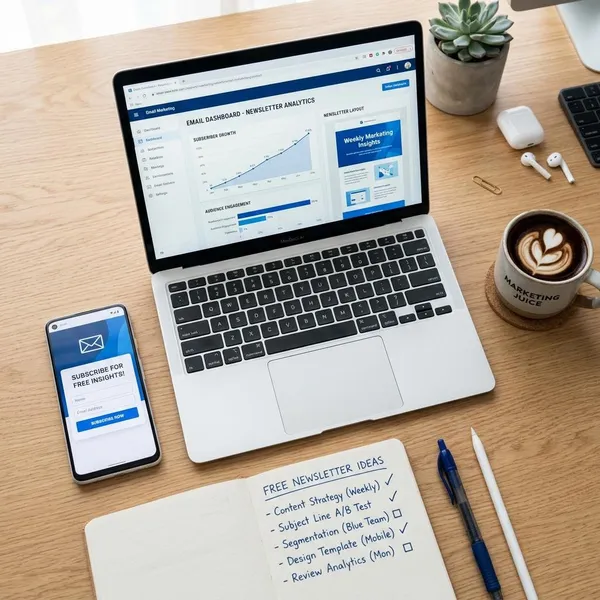
The difference between email newsletter and drip campaign is mainly timing and intent: a newsletter is a regular broadcast to a wider list, while a drip campaign is an automated sequence tied to a specific action or stage. If you want to stay visible with ongoing updates, use a newsletter. If you want to move someone through a clear next step, use a drip campaign.

Email newsletter vs drip campaign
A newsletter works best when the message belongs to a schedule. A drip campaign works best when the message belongs to a person's behavior. That one distinction usually makes the choice much easier.
| Question to ask | Email newsletter | Drip campaign |
|---|---|---|
| Why is it sent? | To share regular updates or content | To guide someone through a journey |
| When is it sent? | On a set schedule | After a trigger or timed step |
| Who receives it? | A broader list or segment | People in a specific situation |
| Best for | Awareness, engagement, recurring communication | Onboarding, nurturing, recovery, conversion |
When to use an email newsletter
Use an email newsletter when the message is useful to a wide audience and does not depend on one person's recent behavior. It is the better choice for ongoing communication, especially when your subscribers expect regular updates from you.
Company updates
Company updates fit naturally into newsletters because readers usually do not need a separate email for every small change. Product launches, opening hours, event dates, hiring news, and service updates can sit together in one organized send.
For a local business, this is often more respectful of the inbox. A bakery, for example, could share holiday order deadlines, new menu items, and weekend opening hours in one weekly email instead of sending three separate announcements.
Curated content
Newsletters are strong when you have useful content that people may miss on their own. A roundup of articles, videos, podcast episodes, templates, or resources can save readers time and give them a reason to keep opening your emails.
Regular promotions
Recurring offers can work well in a newsletter when they are part of a broader message. A weekly special, monthly discount, or seasonal collection feels less pushy when it appears alongside useful tips or updates.
This is especially helpful for small ecommerce brands. If every email is a sales blast, subscribers may tune out. If the promotion sits inside a newsletter that also gives styling ideas, buying tips, or new arrivals, the email has more than one reason to exist.
Industry news
Use a newsletter for industry news when your audience wants a quick read on what changed and why it matters. This works well in fields where trends, tools, pricing, rules, or best practices shift often.
Do not just forward headlines. Add a short takeaway so readers know what to do with the information. A finance brand, for example, should be careful with specific advice unless it can support the claim, but it can still explain what readers may want to watch or compare next.
Audience engagement
A newsletter is often the right format when your goal is to keep people connected rather than push one conversion. Polls, reader questions, customer examples, event reminders, and useful links can all build familiarity over time.
- Use it for routine contact: readers know when to expect you.
- Keep it focused: one main theme is easier to remember than ten scattered updates.
- Watch frequency: a newsletter that arrives too often without enough value starts to feel like noise.
When to use a drip campaign
Use a drip campaign when the reader's situation should control the timing. The best drips feel helpful because they arrive after a relevant action, not because the brand wanted to send another email.
Welcome sequences
A welcome sequence is useful because a new subscriber is paying attention right now. Instead of sending one overloaded welcome email, you can introduce the brand in stages: expectations first, best resources next, then a clear invitation to explore or buy.
Keep it short unless the offer is complex. A simple newsletter sign-up may only need two or three emails. A higher-consideration product may need more education before asking for a purchase.
Lead nurturing
Lead nurturing works when someone has shown interest but is not ready to buy. The drip should answer the questions they are likely asking before they talk to sales or check out.
Customer onboarding
Onboarding drips help new customers avoid confusion after they buy or sign up. They are especially useful for software, subscriptions, courses, services, or products with setup steps.
- First email: confirm the purchase or sign-up and show the next action.
- Middle emails: explain the features or steps most people miss.
- Final email: point to support, account settings, or the next milestone.
The risk is sending too much too soon. If the customer only needs to complete one setup task today, do not bury that task under five extra tips.
Abandoned carts
Abandoned cart emails are a good drip use case because the intent is already visible. The shopper looked at a product and left before completing the order.
Re-engagement campaigns
Re-engagement drips are for people who have stopped opening, buying, logging in, or using the service. The tone matters here: the goal is to reconnect, not guilt the reader.

How to choose between them
Start with the job the email needs to do. If the job is broad communication, choose a newsletter. If the job is to respond to behavior and guide the person toward a next step, choose a drip campaign.
Many businesses need both, but not at the same level of complexity. A small business may start with one monthly newsletter and one welcome sequence. A larger ecommerce or SaaS brand may need multiple drips for carts, onboarding, upsells, and inactive users.
Choose newsletters for recurring communication
Choose a newsletter when your email is part of a steady rhythm: weekly tips, monthly updates, seasonal notes, recurring offers, or regular editorial content.
Choose drip campaigns for automated journeys
Choose a drip campaign when the reader is moving through a process. Signing up, comparing options, starting a trial, making a first purchase, or becoming inactive are all moments where timing changes the message.
Map the journey before writing the emails. If email two does not depend on email one, or if every email says roughly the same thing, the sequence needs a clearer purpose.
Choose newsletters for broad updates
Broad updates belong in newsletters because they are useful to many people at the same time. Product roundups, event announcements, new content, seasonal reminders, and company news rarely need a behavior-based sequence.
Use segmentation when the broad list is too mixed. A B2B company, for example, may send the same monthly newsletter structure but adjust the featured links for beginners, active customers, and enterprise leads.
Choose drip campaigns for targeted actions
Targeted actions are where drips earn their place. If someone abandoned a cart, downloaded a comparison sheet, booked a demo, or stopped using an account, you have context that a general newsletter does not have.
- Check the trigger: did the reader do something specific?
- Check the next step: what action should the sequence support?
- Check the timing: would the email be less useful if sent next month?
- Check the overlap: will this person also receive newsletters, and is the total frequency reasonable?
Conclusion
A newsletter is the better choice for regular, broad communication; a drip campaign is the better choice when timing and behavior matter. If you are unsure where to start, set up one dependable newsletter for your wider audience and one simple drip for the most important customer moment, such as a welcome sequence, onboarding flow, or abandoned cart follow-up.